New Nutrition Guidelines: What To Know
The 2025–2030 Dietary Guidelines for Americans were recently released. Even if you don’t follow national guidelines, they matter — they influence school lunches, military food programs, hospitals, and public health policy, which affects people you know and love.
What we agree with:
✔ More focus on real, minimally processed foods
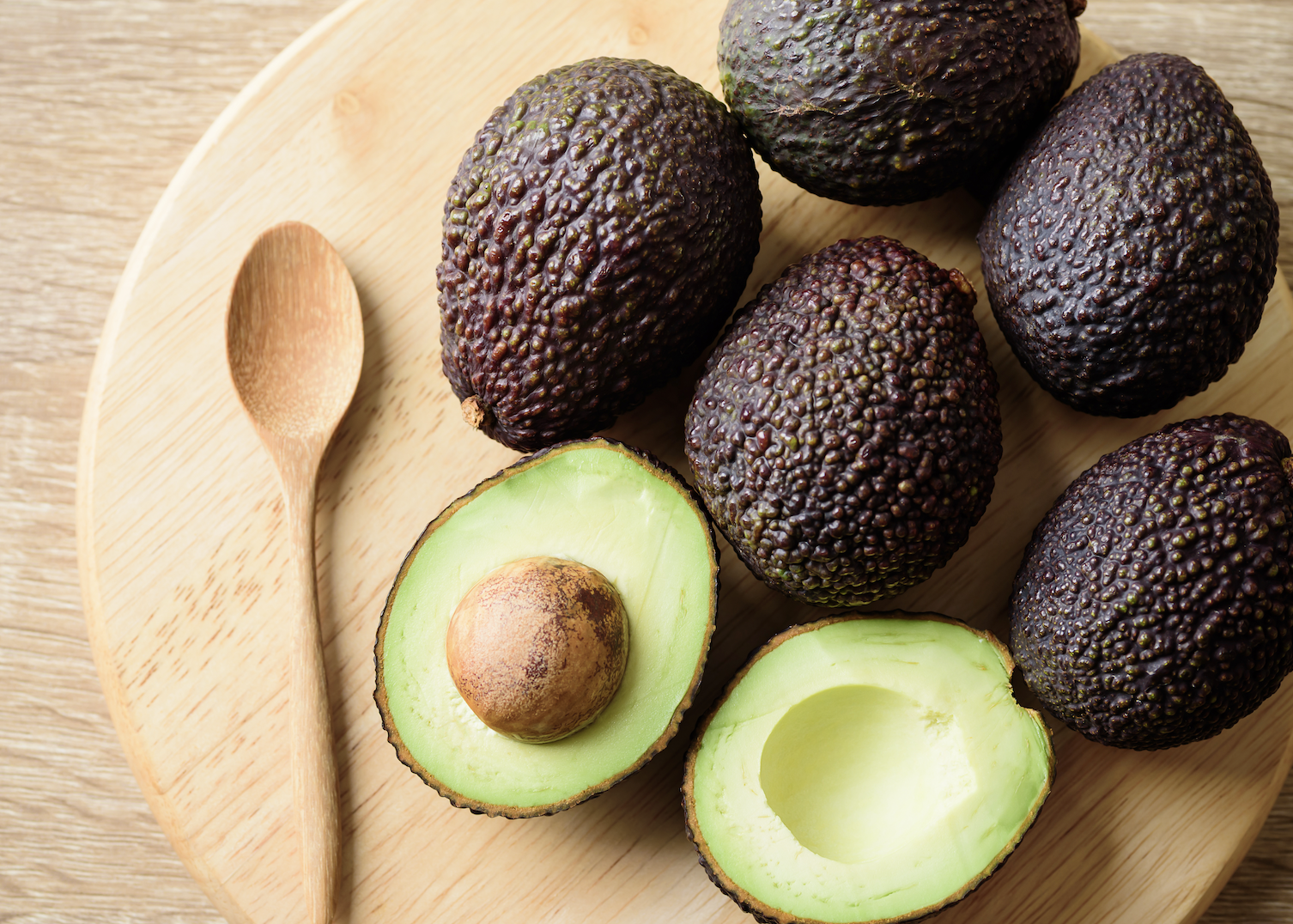
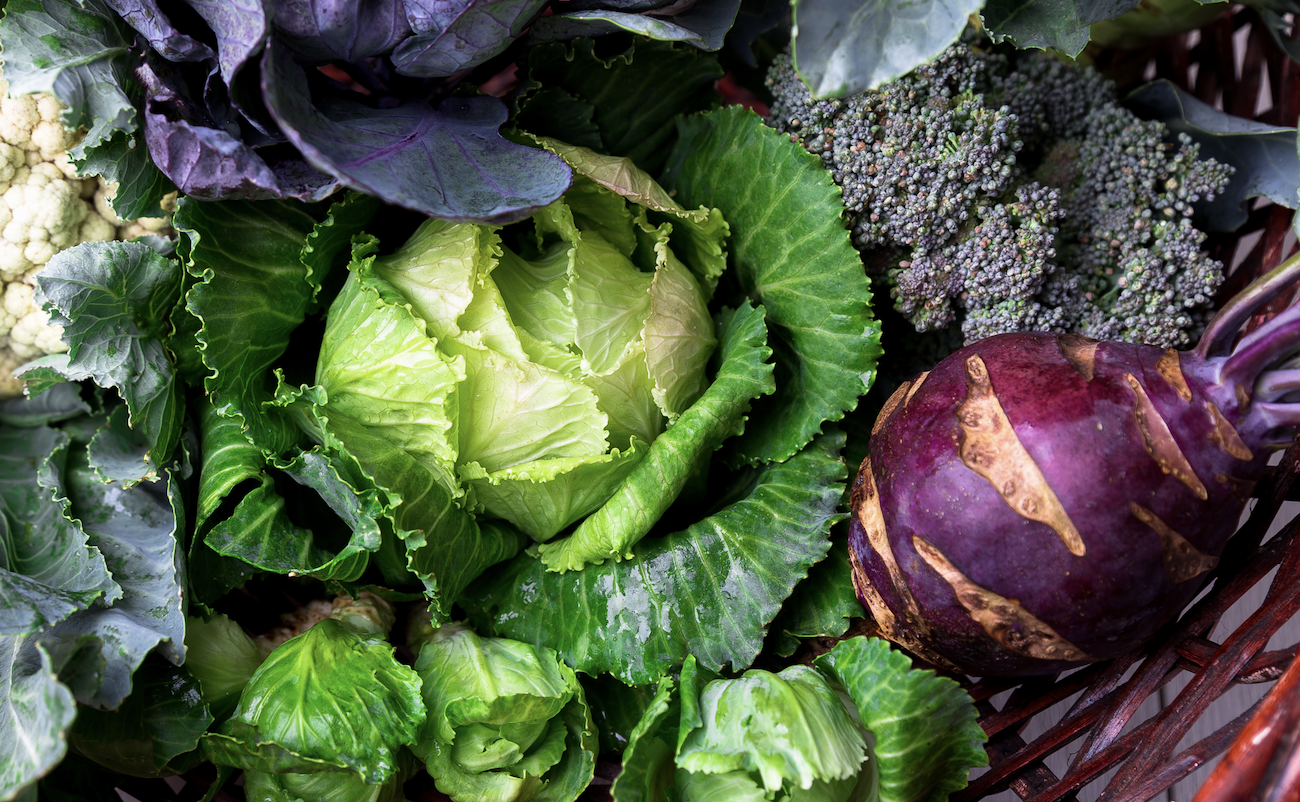
✔ Vegetables and fruits as daily foundations
✔ Increased emphasis on protein (we still recommend ~20–30g per meal)
✔ Fewer ultra-processed foods, added sugars, and refined carbs
✔ Support for gut health, hydration, and overall metabolic health
✔ Alcohol is no longer recommended for health (previous “moderation” language has been removed)
Where we differ:
The continued recommendation for daily dairy intake doesn’t align with what we see clinically.
For many people, dairy contributes to inflammation, digestive issues, hormone disruption, and immune reactivity — especially in those with PMS, PCOS, autoimmune conditions, skin issues, or gut symptoms.
What to do:
If you’ve already been advised to limit or avoid dairy, continue following your personalized plan. Population-level guidelines don’t replace individualized care.
—
Does Your Protein Powder Have Lead?
A recent Consumer Reports investigation found that many popular protein powders and shakes contained concerning levels of lead. This is especially relevant for anyone using protein powders regularly.
What to know:
In about two-thirds of products, a single serving exceeded what experts consider a conservative daily intake threshold, with some testing significantly higher. Other heavy metals, including cadmium and arsenic, were also detected.
Why this matters:
• Heavy metal exposure adds up over time — especially for children, pregnant individuals, and anyone using protein powders regularly.
• Supplements aren’t required to undergo pre-market heavy-metal testing, so quality varies widely.
• If you use protein powder, choose brands with independent third-party testing (e.g., NSF, USP).
The good news:
The protein powder we recommend (Truvani) tested low for lead per serving and met safety thresholds in their analysis.
Disclaimer:
“Low lead” doesn’t automatically mean “healthy.” Even when a product is safe from a heavy-metal perspective, it’s still important to:
• Read the ingredient list
• Watch for additives, gums, artificial sweeteners, and fillers
• Choose products that align with your metabolic, gut, and hormone health goals
We offer heavy metal testing to assess toxic load from substances such as lead and mercury using a simple urine test. Message us through your patient portal or ask Dr. Uppal at your next appointment.
—
New Clinic Hours
For patients (with Dr. Uppal):
Monday–Thursday: 10:00 AM – 5:00 PM
Friday: 10:00 AM – 3:00 PM
Select Saturdays: 11:00 AM – 2:00 PM
For pick-ups, red light therapy, and injections (excluding iron injections):
Monday–Friday: 9:00 AM – 5:15 PM
Note: Acupuncture hours remain the same.
—
Recap: Kore Open House
To everyone that shared us with your friends and family, thank you!
Our recent Kore Open House was a success — and we’re so grateful to everyone who came, shared their questions, and passed the event along to friends and family. We loved the great conversations around hormones, peptides, longevity, gut health, and more.
We’ll be hosting another Open House on March 11th at 6:30 PM PST, keep an eye on your inbox for the link!